If you are looking for ways to make your product photos look better, try shooting them on a reflective surface. This adds a mysterious and utilitarian element to the images. You can use glass or acrylic as a reflective surface, and you can easily remove the reflection in post-production. A photo frame glass can serve as an alternative reflective surface. If you do not have access to a reflective surface, you can also use a mirror.
A humorous approach to product photography can be extremely effective. Rather than trying to set up elaborate lighting and sets, you should opt for a more casual approach to draw the viewers’ attention. This way, the viewer is likely to take notice of your product, making it an excellent way to promote your brand. However, don’t forget the importance of creating a strong product image. You don’t have to splurge on a model or spend a lot of money to hire a professional photographer.
Props are essential to product photography, so use props and different angles to get the most out of your shots. Props and different angles make it easier to capture great details and accentuate the best features of your product. However, be careful not to misrepresent your product by using a prop. These are just a few of the many ways to get creative with product photography. Keep reading to learn more about these tricks and tips and start shooting your products!
Before taking the pictures, take note of what settings you want to use. You may want to use a tripod to take better product photos. If you are shooting from eye level, you may end up with a boring shot. Try shooting from different angles so that you can give your photo some personality. This will help to attract potential buyers. Then, you can post-process the images to make them look better. A good photo editor will also allow you to adjust the lighting, adjust color, and remove unwanted objects from the shot.
When you shoot products, try to reflect your customers’ hobbies and interests. Try to think of ways to show your product in ways they wouldn’t imagine. If your customer is a music lover, consider photographing them playing an instrument. Using a musical instrument will add a personal touch to the photos. This will appeal to the audience, which can help you sell more products. Once you’ve got the right angle, you can create your next great product image.
Another way to capture the best moment of use is to freeze-frame your products. Take a photo of a product before it happens, before it can affect the product. This type of photograph can be a great way to showcase the durability of the product. For more complex photos, freeze-frame the shot and use an action shot or a time-lapse to capture an image that isn’t visible to the human eye. You can also capture a product in the process of a process, such as a meal being prepared.
Product photography setup



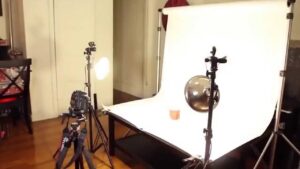
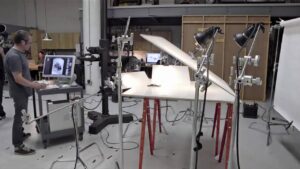
If you are looking to take professional photographs of products, it is important to have a proper product photography setup. To get the best images, you must make sure that your product is in its pristine state. A solid background, such as white or black fabric, is also essential. You should also try to keep your background simple to avoid distracting elements. Listed below are the most common tips for taking the best product pictures. Using the right lighting for your photography set-up is essential.
The light source should be placed 90-130 degrees from your camera. You can use one light source or two. One light should be placed on the left side of the object, while the other should be on the right side. A diffuser can be used between the light source and the object. Using a diffuser will help diffuse the light coming from the light source and create a soft edge to the product. To make your product photography setup more professional, you can also purchase a diffuser to avoid shadows.
While you don’t need a professional-grade camera, you can purchase entry-level cameras with kit lenses for product photography. A tripod is considered to be the product photographer’s best friend. The tripod helps to keep the product steady while also providing a consistent angle. If you are a beginner, you can shoot with your hand, but using a tripod will help you get better shots that are more professional-looking. So, consider purchasing a tripod today!
If your product is in a package, consider taking several pictures of the product from different angles. A close-up macro shot is best for jewelry, skincare, and food products, while a top-down photo of folded t-shirts will be helpful for t-shirt photos. Changing the angle of the product will yield different results. Always have multiple images so you can change the view for the best effect. It’s also important to consider the overall style of your set.
Lighting is vital in your product photography set-up. Natural light is ideal for product-only photographs, but it is not the best option for more complicated images like a lifestyle shoot. It can evenly light the scene without too much effort. However, natural light can cause harsh shadows on reflective products. On bright days, try to shoot in the shade or use reflectors. If you don’t want to invest a lot of money in lighting, you can always recreate the setup.
Invest in a high-quality camera. A reliable full-frame DSLR camera will produce sharp and detailed images. A DSLR camera with an auto-focus feature is also a good option. Make sure that your camera has 12 or more megapixels so that it will produce excellent photos for years. You can also use a lighting kit to create a professional environment. Make sure you have a good product photography setup. The best setup will help you take better photos of your products and improve your product photography.
Lifestyle product photography
If you want your images to sell better, you should include lifestyle products. It will help buyers buy the right size, reduce return rates, and create a more authentic look. A natural light source is best for products with reflective or see-through surfaces. Use different angles to showcase your products. Make sure you have a balanced composition. Incorporate your brand in the photographs, as well as the story behind the products. Incorporate a small, natural light source for the product and the surroundings.
Lifestyle product photography can be an important part of a professional website, social media page, or Amazon listing. This type of imagery gives your audience an important sense of size, proportion, and function, and builds brand trust. Lifestyle product photography may include food shots, photos of live models, and pictures of the actual product in a natural setting. Here are some of the benefits of lifestyle product photography:
Lifestyle product photography is different from traditional product photography. It requires a certain level of planning. Unlike traditional photography, lifestyle product photography allows you to place your products in a lived-in environment. This transforms an object into an experience. Proper lighting and placement are essential in capturing the best lifestyle product photos. For this reason, consider the following tips. Make sure you think about the lifestyle your customers will lead after viewing your photos. You can also use the products in your own way, combining them with your own style.
Using lifestyle product photography for your business is a great way to show off your products. Instead of the typical white-background images, lifestyle product photography showcases the products in their natural surroundings. The result is more convincing imagery, allowing your consumers to see what they’d be experiencing if they bought the products. Moreover, these images can reflect your brand’s values. In addition to being visually appealing, lifestyle product photography helps you create a brand identity, which will lead to more conversions and increased sales.
When using lifestyle product photography, you should try to get a unique shot of your product, such as a photo that illustrates how it is used in real life. This is important because lifestyle product images are more relatable to the target audience. The more real a product looks, the more likely the consumer will buy it. A lifestyle photo can be just as effective as a static image – illustrating the promise of your product. A lifestyle product photo can increase sales by as much as 50%!
Unlike normal product photography, lifestyle product photography lets consumers envision how their products would fit into their everyday lives. It is a much more creative form of photography than regular product photography. It will also result in generous sales conversions – the more real-world an image is, the better. It can be difficult to shoot a lifestyle photo, so you should consider the context of your subject. You may want to capture people sharing an ice cream, or applying skincare products together.
Beauty product photography
Beauty product photography is an art form. It is all about conveying information visually about a product. The more natural the product, the better. The images should be as close to reality as possible without detracting from the main subject. In order to make them look more natural, it is recommended to have a professional do the post-production work. If you don’t have the time to do it yourself, consider outsourcing the task. After all, a camera doesn’t do creativity justice.
Beauty product photography is a great way to create a more authentic and personalized experience for consumers. It allows for experimentation and requires a creative mind. You can use your creativity in arranging the lighting. Natural lighting is a great way to present a product and make it look beautiful. If you’re new to this kind of photography, you can use the items and props you have lying around your house as props. You can also try a different style of lighting.
A natural light source is best for beauty product photography because it creates a proper balance of shadows and highlights. Lighting from artificial light sources can be harsh, bounce off reflective surfaces on packaging, or create hard shadows that distort the image. For a natural look, consider shooting near a window. The light from the window bounces off the product, eliminating any camera shake. Using two-tone backgrounds is a great choice because they produce images that are sharp, without being overexposed.
Before you shoot a beauty product, consider using natural light. During the day, try to set up the photo studio next to a large window. If the light is artificial, use a reflective screen or a flash diffuser attachment to avoid using flash. This will give your product a more realistic appearance. You should also pay attention to the shape and blemishes of the product. If the lighting in your room is too harsh, you can use a softbox to diffuse the light.
The composition is also crucial in beauty product photography. You need to follow a particular style when framing your beauty product. You can use different angles or move around to add perspective. Make sure the background and props do not take away attention from the main subject. Props should match the overall color scheme. If you are experimenting with different angles, you can also use 360-degree photography. However, this will require a little more time than the basics.
The tone of beauty product photography is often set by the brand. A brand with a strong image is likely to follow a specific tone with all its campaigns. A professional photographer needs to be careful not to stray from that tone. Make sure to keep the brand tone in mind when planning a shoot. Otherwise, you could end up with a disastrous image that doesn’t reflect the essence of your brand. This is why the tone of your beauty product photography is so important.
Jewelry product photography
In order to increase the conversion rate of your jewelry product photos, you need to keep several tips in mind. Choosing the right background is important. It should complement the allure of the piece. For example, a white background will complement a gold ring with light tones, and a black one will complement a white necklace with rough or irregularly cut stones. Using creative photography can improve the purchasing experience for your customers and can boost your social media branding as well. However, make sure that your main image looks professional and polished.
In addition to the lighting and color of the picture, make sure that your jewels are clean and untangled. Make sure to use cotton gloves for handling, as any defect will look cheap. Try to get as close to the real product as possible in your photos, as misrepresentation can hurt your brand. Try to use different angles of the photo, as well as different lighting levels, in order to give the customer a clearer idea of the product.
As a luxury product, jewelry is a powerful way to express your brand image. High-quality product images help to convey your brand image and set the right mood. While they may not be as important as a high-quality product, a consistent look is important for both online and offline advertising. For best results, consider hiring a professional photographer to take your photos. It will be worth your while! You can find many photographers in your area that are familiar with jewelry photography.
In addition to lighting and color correction, you should also learn the basics of photography. Basic photo editing techniques can make your jewelry photos look more appealing and shareable. Finally, you should set up a set of rules for shooting your jewelry. Follow them to avoid small errors that may distract your customers. Besides that, you should be able to repeat shooting the same day if you encounter problems with lighting or a background. These guidelines will help you achieve the best jewelry product photography possible.
When it comes to lighting, jewelry photography poses some unique challenges. For example, gemstones and metal make the background appear more vivid under specific hours of the day. In addition to lighting, post-production processing also involves a lot of time. If you can afford it, you should consider hiring an experienced editor. However, you may want to do some post-production processing yourself if you cannot find the right light for the subject. So, how do you go about lighting your jewelry for online sales?
As a rule, megapixels are important for commercial and editorial photography. The higher the megapixels, the better. If you are a beginner, keep the setup as simple as possible. After you’ve become familiar with your camera, you can experiment with various lighting tactics. If you’re taking your own photos, try using a standard folding table or a small table. You’ll need a minimum of 24 inches of space.